The recently appointed High Sheriff of Cambridgeshire has visited the site of the new Cambridge Cancer Research Hospital yesterday (20 April) to highlight plans and discover how the project is progressing.
The High Sheriff, Francis Burkitt DL, toured current cancer services at Addenbrooke’s Hospital, including the Breast Unit, meeting staff and patients and learning more about how care is delivered. He also met with the new hospital project and clinical teams who are bringing research and clinical care together to transform outcomes for people with cancer. The High Sheriff is also Chair of the Campaign Board for Cambridge Cancer Research Hospital.
As part of the visit, the High Sheriff presented three High Sheriff Awards, recognising staff and patients whose contributions are helping to drive improvement and shape the vision for the Cambridge Cancer Research Hospital.
Celebrating innovation in breast cancer care
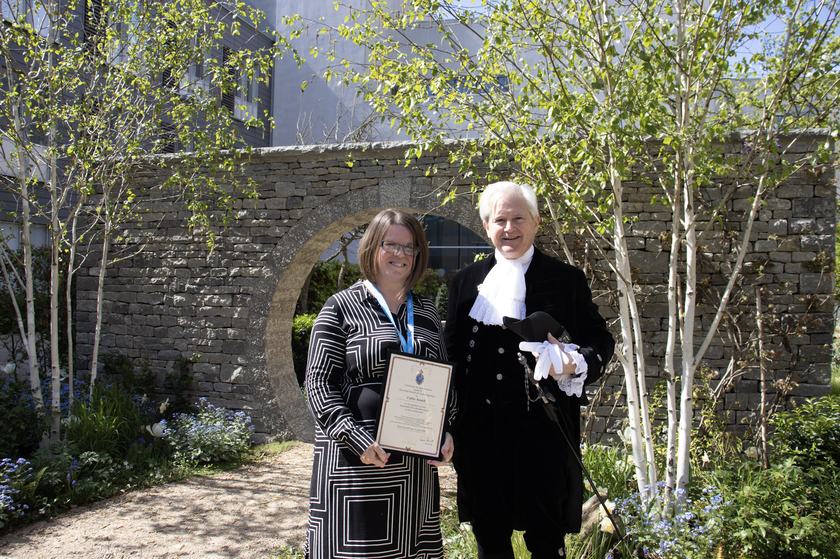
One award was presented to Callie Ansell, Deputy Operations Manager for Breast and Gynae Oncology at Cambridge University Hospitals NHS Foundation Trust (CUH), in recognition of her leadership in introducing self-referral to the Breast Unit.
The new pathway enables women who discover breast cancer symptoms to refer themselves directly to specialist breast services via NHS 111, bypassing the need to first see a GP. The initiative is designed to reduce anxiety, speed up access to assessment and diagnosis, and support earlier intervention where needed. Callie played a central role in leading the implementation of this important change, working closely with clinical and operational teams to bring the service into practice.
Callie Ansell said:
“I’m incredibly proud to receive this award on behalf of the whole breast team. Introducing self‑referral has been a real team effort, driven by a shared commitment to improving access for patients and reducing anxiety at what can be a very worrying time. It’s wonderful to see this work recognised, particularly as we look ahead to the opportunities the new Cambridge Cancer Research Hospital will bring.”
Championing research for nurses and allied health professionals
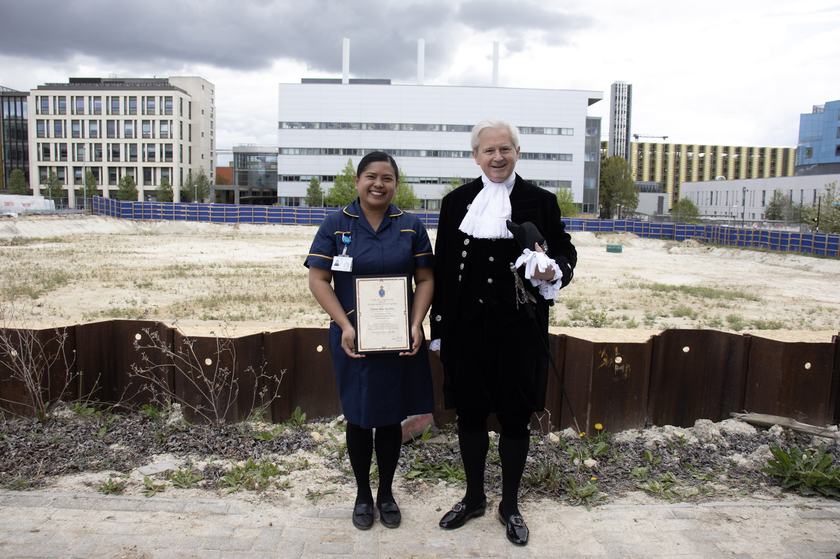
A second High Sheriff Award was presented to Cherry May Sanchez, Cancer Research UK Cambridge Centre Programme Lead for Nurses and Allied Health Professionals.
Cherry works closely with teams across Cambridge, supporting nurses and allied health professionals to actively engage in research and strengthening research capability within the clinical workforce. She plays a key role in developing pathways, networks and opportunities that embed research into everyday practice and build a more research-active culture across services. Her work also strengthens collaboration between the Cancer Research UK Cambridge Centre, the University of Cambridge, CUH, and regional, national and international partners, helping to lay the foundations for the Cambridge Cancer Research Hospital, where research and clinical care will be fully integrated.
Cherry May Sanchez said:
“I’m honoured to receive this award. It is especially meaningful to represent nurses and allied health professionals and to recognise the vital role we play in research and in building and sustaining a research-active culture in clinical practice. Embedding research into everyday care is central to improving outcomes and experiences for patients and families. Strong collaboration between the Cancer Research UK Cambridge Centre, CUH and partners across the region will be central to the success of the Cambridge Cancer Research Hospital and its ambition to deliver world-leading, research-driven cancer care.”
Recognising the voice of patients in shaping the future hospital
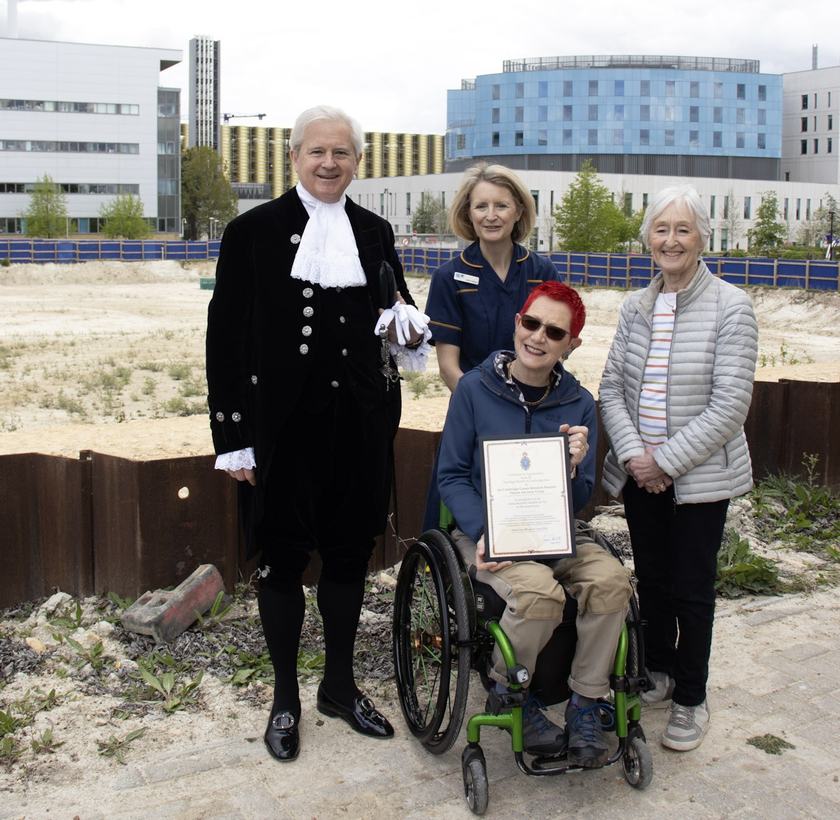
The third award was presented to the Cambridge Cancer Research Hospital Patient Advisory Group, in recognition of its vital contribution to shaping the new hospital from the patient perspective.
The award was collected on behalf of the Patient Advisory Group by Fiona Carey, Co‑Chair, Sue Arnold, member and Elaine Chapman, Lead Advisory Nurse. The group has played an important role in providing insight, challenge and guidance right from the earliest stages of design and planning, to ensure that the new hospital reflects the needs and priorities of patients, carers and families.
Fiona Carey said:
“Patients and carers have a unique and valuable perspective: simply, we see and know things that the staff don’t. By being ‘at the table’ during this project, we’ve been able to make an unprecedented contribution to its development. The experience and knowledge of both patients and carers has affected many elements of the design, not just physically, but in the way patients in the future will experience their diagnosis and treatment. This award recognises the collective voice of everyone involved in the group, and our shared commitment to ensuring the new hospital truly reflects what matters to patients.”
Looking to the future
Speaking during the visit, Francis Burkitt, High Sheriff of Cambridgeshire, said:
“It has been a privilege to visit cancer services at Cambridge University Hospitals and to meet so many dedicated and inspiring people. The recipients of these High Sheriff Awards demonstrate the innovation, compassion and collaboration that underpin outstanding care today, while also helping to shape an ambitious and hopeful future for cancer treatment and research in Cambridgeshire.”
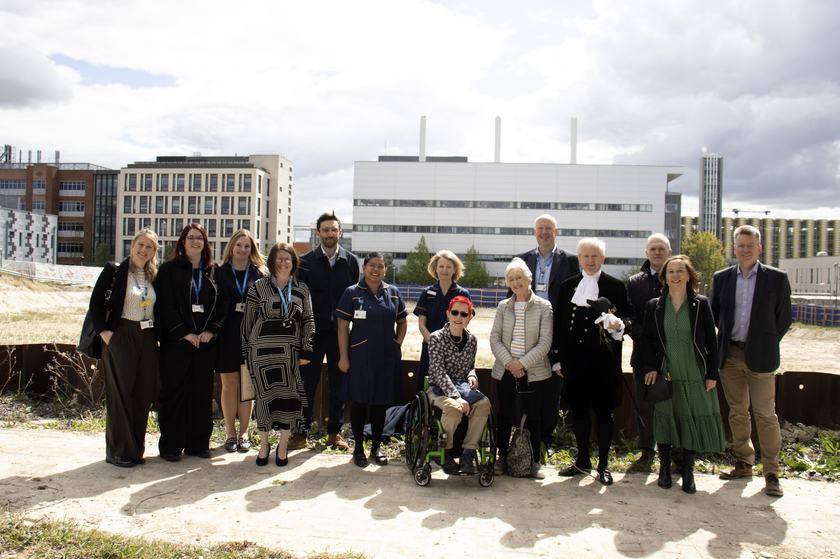
Cambridge Cancer Research Hospital is a new specialist hospital being developed in partnership between Cambridge University Hospitals NHS Foundation Trust, the University of Cambridge and Cancer Research UK Cambridge Centre. The hospital will combine world‑leading research with clinical care in a single setting, accelerating improvements in diagnosis, treatment and survival for people with cancer.
Philanthropy can play a powerful part to dramatically improve the lives of people with cancer for generations to come, far beyond Cambridge. The fundraising campaign for Cambridge Cancer Research Hospital is a joint venture between Addenbrooke’s Charitable Trust and the University of Cambridge.
Find out more how you can support and donate to the campaign.